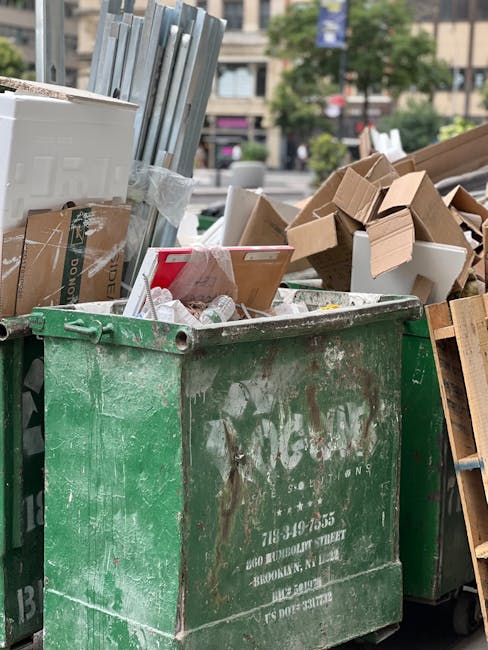
Bulk rubbish pickup for Lincoln Inn Fields residents Holborn
If you live near Lincoln Inn Fields and you've got a sofa blocking the hallway, broken shelving in the flat, or a pile of bags that somehow turned into a small mountain, you are not alone. Bulk rubbish pickup for Lincoln Inn Fields residents Holborn is one of those tasks that sounds simple until you actually start moving things around. Then the stairs feel narrower, the lift seems smaller, and the list of "things to get rid of" gets longer by the minute.
This guide explains how bulk rubbish pickup works in practical terms, what residents in this part of Holborn usually need to think about, and how to choose a service that feels straightforward rather than stressful. We'll cover the process, common mistakes, local best practice, and the main decisions that save time, money, and a lot of awkward dragging to the kerb.
In other words: less clutter, fewer headaches, and a cleaner finish.
If you want to explore the broader service options alongside bulk collection, it can also help to look at waste removal, furniture disposal, or the more comprehensive home clearance approach when the job is bigger than a single item.
Table of Contents
- Why bulk rubbish pickup matters here
- How the pickup process works
- Key benefits and practical advantages
- Who this service is for
- Step-by-step guidance
- Expert tips for smoother collection
- Common mistakes to avoid
- Tools, resources and recommendations
- Law, compliance and best practice
- Options and comparison
- Real-world example
- Practical checklist
- Conclusion
- Frequently asked questions
Why Bulk rubbish pickup for Lincoln Inn Fields residents Holborn Matters
Lincoln Inn Fields sits in a busy part of central London where space is precious, access can be awkward, and rubbish left waiting around tends to become a bigger issue than people expect. A bulky old wardrobe in a compact flat is not just an eyesore. It can block routes, create safety risks, and make day-to-day living feel cramped. To be fair, in a large house you might just push the item into a corner and forget about it. In a flat near Holborn, that is rarely an option.
Bulk rubbish pickup matters because the usual household bin system is not designed for large, heavy, or awkward items. Mattresses, broken chairs, outdated appliances, and renovation offcuts need a different kind of handling. If they are left outside the property too long, they can attract attention, look messy, and sometimes cause friction with neighbours or building management. No one wants that little note through the door, especially on a Monday morning.
There is also a practical side. Many residents around Lincoln Inn Fields live in period buildings, managed flats, or shared entrances. That means any removal has to respect shared spaces, timing, and access. The right pickup approach helps protect stairwells, lifts, and communal hallways from damage. It also makes the job safer for everyone involved.
Expert summary: The best bulk rubbish collection is the one that clears the space quickly, handles awkward access properly, and leaves you with no loose ends. If it feels rushed or vague, it usually costs more later.
For residents who need more than a few household items, services such as flat clearance or house clearance can be more efficient than trying to piece together several smaller pickups.
How Bulk rubbish pickup for Lincoln Inn Fields residents Holborn Works
At its simplest, bulk rubbish pickup is a collection service for items too large, too heavy, or too numerous for normal waste disposal. The exact process can vary, but most jobs follow the same basic pattern: you describe what needs removing, the provider estimates the scope, a collection is scheduled, and the team removes the waste from your property or a suitable pickup point.
In central London, access details matter a lot. Is the rubbish on the ground floor, in a basement, or three flights up with no lift? Can a vehicle stop nearby, or does the team need to carry items from a loading area? These details affect timing and cost more than people realise. A quote that sounds low at first can change once the access reality is clear. That is normal, not a trick.
The actual collection usually involves sorting what can be loaded, separating items that need special handling, and removing everything in a way that keeps the route clear. For mixed loads, the team may distinguish between general bulky waste, reusable furniture, white goods, and items requiring special disposal. If something hazardous is involved, it should never be mixed in casually with ordinary rubbish. That's where proper handling becomes essential.
If you are dealing with a mixed bag of waste types, the broader waste removal service is often the best fit. If your load includes an old washer, fridge, or similar appliance, a specialist option like fridge and appliance removal may be more appropriate.
One thing people often notice only after booking: a good collection is partly logistics and partly common sense. If the bulky item is still assembled, wedged behind another piece of furniture, or blocked by boxes, you slow the whole thing down. A little prep goes a long way. Really, it does.
Key Benefits and Practical Advantages
The obvious benefit is clearing space. But that is just the start. A proper bulk pickup gives you a faster route back to a usable room, a safer home, and less stress about where the item should go next.
- Faster clear-out: One collection can remove several large items in a single visit.
- Less manual effort: No need to wrestle a heavy mattress down stairs on your own.
- Better access and safety: Professional removal reduces the chance of scuffed walls, damaged bannisters, or sore backs.
- More flexible than skip use: In dense central London streets, a collection service can be easier than arranging a skip.
- Useful for mixed loads: Good when your unwanted items are not all the same type.
There is also a time-saving benefit that people underestimate. Bulk waste tends to create mental clutter as well as physical clutter. You keep seeing it in the corner, keep meaning to sort it, and it quietly becomes part of the room. Once it's gone, the whole place feels lighter. A bit of breathing space returns. That sounds dramatic, maybe, but anyone who has cleared a packed flat knows the feeling.
For furniture-heavy jobs, the dedicated pages for furniture clearance and mattress and sofa disposal can be helpful if the load is made up of bulky household pieces rather than general rubbish.
Who This Is For and When It Makes Sense
Bulk rubbish pickup is useful for a wide range of Lincoln Inn Fields residents, not just people doing a major clear-out. In practice, it is often the right answer when the rubbish is too much for normal bin collection but not quite enough to justify a major project.
This service makes sense if you are:
- moving out of a flat and need furniture removed quickly
- replacing old items after a refurbishment
- clearing a spare room, loft, or storage area
- dealing with tenant turnover in a managed property
- getting rid of broken appliances or bulky household waste
- sorting garden furniture, sheds, or outdoor clutter
- trying to empty a garage or basement that has quietly filled up over years
It is also a sensible option when access is awkward and you do not want to disturb neighbours or building staff by moving items around multiple times. In shared buildings, less handling is usually better. Less mess, less noise, less chance of something going wrong.
If the job is actually a full property emptying, services such as loft clearance, garage clearance, or office clearance may be a closer match than a one-off pickup. That distinction matters because the scope of work drives everything else.
Step-by-Step Guidance
If you want a smooth bulk rubbish pickup, a little structure helps. Here is the practical flow most residents should follow.
- Make a clear list of items. Write down what is going, including anything heavy, awkward, or potentially restricted.
- Check access. Note stairs, lift size, parking issues, loading restrictions, and any building rules.
- Separate obvious special items. Put aside items that may need specific handling, such as appliances or potentially hazardous waste.
- Ask for a transparent quote. Be clear about quantity, access, and whether labour is needed inside the property.
- Prepare the items. If safe, place them where they can be collected with minimal disturbance.
- Confirm the timing. Make sure the collection slot suits your building, neighbours, and any permit or access arrangements.
- Review the final load before the team leaves. It sounds obvious, but people do forget the chair in the bathroom or that little pile in the corner.
In our experience, the jobs that go best are the ones where the resident is slightly over-prepared rather than slightly under-prepared. You do not need to overthink it. Just make the route clear, the items obvious, and the access honest.
If you are comparing service types, the information on pricing and quotes and book online can help you understand how to move from enquiry to collection without too much back-and-forth.
Expert Tips for Better Results
There are a few small habits that make a surprisingly big difference.
- Measure the awkward stuff. A sofa that barely fits through a doorway is a headache waiting to happen.
- Photograph the load. Photos help avoid misunderstandings and make quoting easier.
- Keep pathways clear. Even a narrow hallway can become an obstacle course if bags, shoes, and boxes are left in the way.
- Group items by type. Furniture together, bags together, appliances together. Simple, but effective.
- Be honest about condition. A broken item may need more care than a reusable one.
- Ask about recycling routes. If you care about diversion from landfill, ask how the material is likely to be handled.
Another useful tip: if you are clearing more than one area, do the easy rooms first. That creates momentum. It also stops you from standing in one room, slightly baffled, holding an old lamp shade and wondering how you got here.
For residents with an eye on responsible disposal, recycling and sustainability is worth reviewing before collection, especially if your load includes reusable materials or mixed household items.
Common Mistakes to Avoid
A lot of bulk rubbish pickups become more expensive or stressful because of a few avoidable slips. The good news is that they are easy to spot once you know what to watch for.
- Underestimating volume. One "extra chair" quickly becomes six chairs, a table, and two bags of general clutter.
- Forgetting access details. Narrow stairs, controlled entry, and loading restrictions all affect the job.
- Mixing restricted items in with ordinary waste. That can create safety and compliance issues.
- Leaving the sort-out until collection day. It slows everything down and can create confusion.
- Choosing only on price. Cheapest is not always easiest, especially with bulky items and tricky access.
- Assuming everything can be collected the same way. Appliances, furniture, and hazardous materials may need different handling.
One common mistake in central London is assuming a service will work exactly like a suburban curbside pickup. It usually does not. The physical layout, traffic, and building rules matter much more. If you plan for that up front, the day feels much calmer.
For heavy household pieces, the dedicated furniture disposal page is especially useful when the item list is dominated by one or two large objects rather than a full property clear-out.
Tools, Resources and Recommendations
You do not need specialist equipment for most bulk rubbish pickups, but a few basic tools make preparation easier.
- strong tape or cable ties for loose bags
- gloves for sorting dusty or rough items
- a tape measure for furniture and doorways
- marker pens for identifying what stays and what goes
- old sheets or cardboard to protect flooring while you move items
For most residents, the best "resource" is actually a clear plan. Decide what is leaving, where it is being stored before collection, and whether anything needs to be dismantled. A lamp, shelving unit, or bed frame can often be made easier to remove if you spend ten minutes taking it apart first. Not always, but often enough.
If your bulk rubbish pickup overlaps with a refurbishment, you may also find the builders waste clearance page useful for materials such as packaging, offcuts, and renovation debris. If confidential paperwork is mixed in with the clutter, confidential shredding is the safer route than treating it as general rubbish.
And if you are concerned about payments, service expectations, or how the booking process works, the pages on payment and security and terms and conditions are worth checking before you commit. It is just one of those sensible little steps people skip, then wish they hadn't.
Law, Compliance, Standards, or Best Practice
Bulk rubbish pickup touches a few important areas of UK waste practice, even if the job itself feels simple. The main principle is straightforward: waste should be handled safely, moved responsibly, and passed to the right disposal or recovery route. In plain English, you should know who is taking it, what they are taking, and that the rubbish is not going to be dumped somewhere it should not be.
Residents should also be careful with items that may count as hazardous or require special handling. Examples can include certain chemicals, some electrical items, batteries, and materials that could contaminate other waste. If you are unsure, it is better to ask than to guess. Guessing is where things get messy, and not just literally.
For buildings with shared access, there may also be practical rules around timings, loading areas, and moving large items through communal spaces. Even when no formal restriction seems obvious, it is best practice to reduce noise, protect floors and walls where possible, and keep the collection area tidy. That small bit of care goes a long way.
Services with clear policies on safety and handling usually make this easier to trust. Pages such as health and safety policy, insurance and safety, and hazardous waste disposal can help you judge whether the provider is set up to deal with the job properly.
If you want the simple version: a good bulk pickup should be safe, lawful, tidy, and transparent. Anything less is a warning sign.
Options, Methods, or Comparison Table
Different rubbish problems call for different solutions. Here is a straightforward comparison to help you choose the right one.
| Option | Best for | Pros | Watch-outs |
|---|---|---|---|
| Bulk rubbish pickup | Large items or mixed household waste | Flexible, fast, less hassle with access | Needs clear information about volume and access |
| Skip-style approach | Jobs with a lot of loose waste | Good for ongoing DIY or repetitive loading | Can be awkward in tight central London spaces |
| Furniture-specific collection | Sofas, beds, wardrobes, tables | Good when the load is mostly bulky household furniture | Less suitable for mixed rubbish |
| Full property clearance | End-of-tenancy, probate, or major decluttering | Handles larger, more complex jobs in one go | Requires more planning and a fuller scope |
There is no single "best" method for every Lincoln Inn Fields property. A flat with one sofa and some bags is a different case from a full second-floor clear-out after a tenancy change. If you are unsure, start by deciding whether the waste is mostly one type or a mix of several. That one question narrows things down quickly.
For skip-related planning, the page on what can go in a skip may help you compare loading rules with a pickup-based alternative. And if your project includes outdoor clutter, garden clearance is a better fit than general waste removal when the waste is mainly soil, cuttings, pots, or garden furniture.
Case Study or Real-World Example
Picture a real London weeknight scenario. A resident near Lincoln Inn Fields has replaced a sagging sofa, inherited a stack of unused shelving, and found two old boxes of mixed household clutter hiding behind a wardrobe. The lift is small, the stairs are narrow, and the building manager has asked for minimal disruption. A quick curbside solution is not really workable.
Instead, the resident prepares a short item list, takes a few photos, checks the stair route, and separates anything that might need special handling. The collection team arrives with the right expectations, removes the items without dragging them through the flat twice, and the hallway is left clear rather than scuffed and dusty. Job done. No drama, no late-night back strain, no improvised trolley adventure through Holborn.
What makes this example useful is not the size of the job. It is the preparation. The pickup works because the resident gave accurate information and the collection matched the reality of the building. That is the difference between a smooth service and an irritating one.
If the same resident had also been clearing a spare room, the more complete flat clearance route would likely have saved time. If the items were mostly one bed, one sofa, and one appliance, a mix of mattress and sofa disposal plus appliance removal may have been the cleaner answer.
Practical Checklist
Use this checklist before booking or on the morning of pickup. It keeps things simple.
- List every item you want removed
- Check whether any items need special handling
- Measure large furniture and tight doorways
- Confirm access, parking, and lift details
- Decide what is staying and what is going
- Clear the route from the property to the collection point
- Put small loose items into bags or boxes
- Take photos if the load is awkward or mixed
- Ask about collection timing and arrival window
- Review pricing, payment, and any terms before confirming
- Make sure the building manager or concierge knows if needed
- Do a final walk-through before the team leaves
A small bit of prep can save a surprising amount of stress. And truth be told, that is often the difference between a "nice, easy job" and a half-day of faffing about.
Conclusion
Bulk rubbish pickup for Lincoln Inn Fields residents Holborn is about more than getting rid of unwanted items. It is about restoring usable space, avoiding unnecessary effort, and handling removal in a way that fits the realities of central London living. Narrow access, shared entrances, and mixed waste loads all change the shape of the job, so the smart approach is to plan clearly and choose the right service type from the start.
If you remember just one thing, make it this: the better you describe the waste and the access, the smoother the pickup will be. That single habit saves time, reduces surprises, and usually leads to a much better result.
Get a free quote today and see how much you can save.
And if you are still weighing up the best route for your property, take it step by step. A tidy room, a clear hallway, and a clean start can feel surprisingly good on an ordinary day.
Frequently Asked Questions
What counts as bulk rubbish for a Lincoln Inn Fields property?
Bulk rubbish usually means large or awkward items that do not fit normal household bins, such as sofas, mattresses, tables, wardrobes, or bags of mixed clutter. In flats, even a few sizeable items can count as bulk waste because access is tighter and handling needs more care.
Can I leave bulky items in a communal hallway before collection?
Usually, it is better not to unless building rules clearly allow it. Hallways are shared spaces, and leaving items there can create safety issues or inconvenience neighbours. If possible, keep everything inside until the collection team is ready.
Is bulk rubbish pickup better than hiring a skip in Holborn?
It depends on the load and the access. Bulk pickup is often easier for central London residents because it avoids the storage and loading problems that come with a skip. A skip can still be useful for ongoing DIY waste, but it is not always the most practical option for flats or tight streets.
What types of items are commonly removed?
Typical items include furniture, mattresses, small appliances, boxed clutter, shelving, and general household rubbish. Some services also handle garden waste, garage contents, or clearance from lofts and spare rooms. If your load includes unusual items, ask before booking.
How should I prepare for the collection?
Make a list of the items, clear the route, and give accurate access details. If you can, group similar items together and take photos. That makes quoting easier and helps the collection go more smoothly.
What if my rubbish includes a fridge or other appliance?
Appliances often need separate handling, especially fridges and freezers. It is sensible to mention them in advance so the service can plan the correct removal approach. A dedicated appliance service is usually the safer choice for those items.
Are there any items that need special disposal?
Yes. Hazardous or potentially hazardous items should not be mixed with ordinary rubbish. This can include certain chemicals, batteries, and other materials that need specific handling. If you are unsure, ask first rather than guessing.
How do I know whether I need a full clearance instead?
If you are clearing multiple rooms, dealing with an end-of-tenancy situation, or removing a lot of mixed contents, a full clearance may be better. Bulk pickup works well for larger items or smaller mixed loads, but it is not always the right fit for whole-property jobs.
What affects the price of a bulk rubbish pickup?
The main factors are volume, weight, access, item type, and how much labour is involved. A third-floor flat with narrow stairs will usually be different from a ground-floor property with easy access. Transparent information upfront helps avoid surprises.
Can bulk rubbish pickup help with furniture only?
Absolutely. If your load is mainly household furniture, a furniture-specific service can be an excellent fit. Sofas, beds, wardrobes, and tables are common examples, and they often benefit from careful removal rather than general waste handling.
Do I need to sort everything before collection?
You do not need to over-sort, but it helps to separate obvious categories. Put furniture together, general rubbish together, and anything unusual to one side. That saves time and makes the collection more efficient.
What is the safest way to handle old paperwork or sensitive documents?
Do not place them straight into general waste if they contain personal or business information. Confidential shredding is the more sensible route. It keeps private material out of the wrong hands and avoids that uneasy feeling afterwards.
Where can I learn more about how the service is run?
It is always worth reviewing the provider's own information on safety, insurance, payment, and sustainability. Pages such as about us, insurance and safety, and recycling and sustainability can give you a better sense of how the service operates and whether it suits your needs.