Late night rubbish collection options near Holborn station
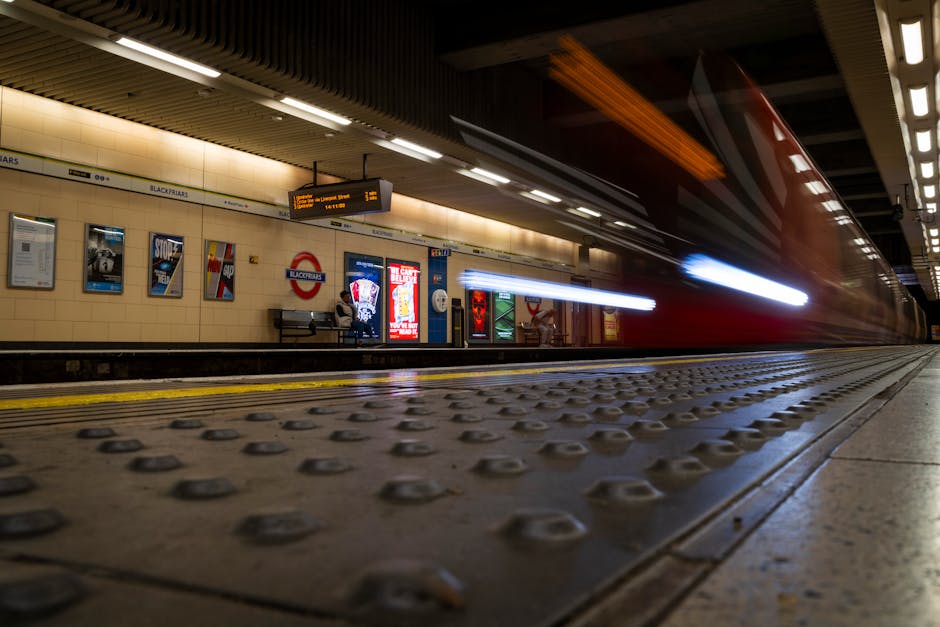
If you are trying to clear rubbish after office hours, between train connections, or once the street has finally gone quiet, late night rubbish collection options near Holborn station can be a very sensible solution. In a busy part of central London, timing matters almost as much as the clearance itself. You need a service that can work around restricted access, reduced traffic, noise concerns, and the simple reality that daytime collections are not always convenient.
This guide explains how late evening and night-time rubbish collection usually works near Holborn, who it suits, what to check before booking, and how to avoid the little mistakes that can turn a quick clearance into a headache. We will also look at practical options for households, offices, shops, and landlords. Nothing fancy. Just the stuff that actually helps when you need waste gone without disrupting the day.
Expert summary: The best late night collection is the one that matches access, volume, waste type, and building rules. In Holborn, that usually means planning ahead, being clear about what needs removing, and choosing a provider that can work neatly and safely after hours.
Why late night rubbish collection near Holborn station matters
Holborn is one of those places where the rhythm changes through the day. Early on, it is commuters, deliveries, and office arrivals. Later, the streets get calmer, but access can still be awkward, especially near busy roads, managed buildings, and basement entrances. That is exactly why late night rubbish collection can be such a useful option.
For some people, the issue is simple: they cannot have a clearance team turning up while clients are in the office or tenants are at home. For others, it is about practical access. A lift may be easier to use once a building is quieter. A loading bay may be less contested after hours. And if you are dealing with bulky furniture, builders' waste, or mixed rubbish, a late slot can mean less disruption and a smoother job overall.
There is also the noise factor. Let's face it, nobody wants bin bags dragged across paving slabs at 10 a.m. if the building is full of meetings. A well-planned evening collection can feel much more discreet. You will notice the difference when the team arrives, loads quickly, and leaves the place looking tidy, not half-upset and cluttered.
Near Holborn station specifically, timing can make the difference between an easy pickup and a frustrating one. The area is well connected, but that does not automatically mean it is easy to stop, unload, or keep waste out of the way. After-hours collection is often less about novelty and more about control.
How late night rubbish collection works
Most late night collection services follow a fairly simple pattern. You request a time window, describe the waste, confirm access details, and agree how the collection will happen. The actual work may be carried out late evening, after office hours, or close to night-time, depending on the provider and the location.
In practice, a good provider will want to know:
- what type of rubbish needs removing
- roughly how much there is
- whether the waste is bagged, boxed, loose, or bulky
- what floor the items are on
- whether there is lift access or stairs only
- any security, concierge, or loading restrictions
- whether the waste includes anything special, such as appliances or hazardous materials
That last point matters more than people sometimes expect. A mixed load of paper, packaging, furniture, and broken fixtures is one thing. A load containing chemicals, paint, or other sensitive materials is another. You do not want to assume everything can go together. Best to ask first, even if it feels like a tiny detail.
For business customers, late collections are often arranged to reduce interruption during trading hours. For households and flat clearances, evening timing is usually about convenience and privacy. For example, a landlord preparing for a morning check-in may want the site cleared the night before. In that situation, punctuality and clean finishing matter just as much as the removal itself.
If you need a broader service that covers mixed rubbish, furniture, appliances, or building debris, it can help to look at the provider's general waste removal service alongside specific options such as office clearance, flat clearance, or builders waste clearance.
Key benefits and practical advantages
There are some very real advantages to choosing a late night collection rather than forcing everything into a daytime slot. Most of them are practical, but a few are surprisingly underrated.
1. Less disruption to daily activity
If you run an office, shop, clinic, or shared property, having rubbish removed after hours keeps the day running normally. Staff do not need to stop what they are doing. Customers are not stepping around bags. No one is trying to have a meeting while a sofa is being manoeuvred down the corridor. Simple, but powerful.
2. Easier access in busy central London
Near Holborn station, access can be much more manageable later in the evening. The footfall drops, loading areas may be easier to use, and the whole process can move faster if the surrounding streets are quieter.
3. Better discretion
Not every clearance needs a crowd. A late night pickup is often better for sensitive office clear-outs, private household moves, or situations where you would rather keep things low-key.
4. More flexibility for urgent jobs
Sometimes rubbish does not wait politely until Tuesday morning. It might be a last-minute office refit, a tenant handover, or a broken appliance that needs shifting before the next day. Evening collection can save the schedule. Truth be told, that is often why people search for it in the first place.
5. A cleaner handover the next day
Morning arrivals feel better when the mess is already gone. You open the door, and instead of waste, dust, and awkward piles, you get a blank slate. That small emotional relief is not nothing.
Who this is for and when it makes sense
Late night rubbish collection options near Holborn station are especially useful for people and organisations that need the job done without daytime disruption. That said, the right fit depends on the type of waste and the building conditions.
- Office managers who need desks, packaging, archive material, or refurbishment waste removed after staff leave.
- Landlords and letting agents preparing flats between tenancies, especially when a property must be ready early the next day.
- Shop and hospitality operators dealing with stock packaging, worn fixtures, or back-of-house clutter.
- Facilities teams managing occasional clearances, storage overflow, or maintenance debris.
- Homeowners and tenants who simply cannot fit a collection into the working day.
- Contractors and builders who need a site left clear after an evening shift or phased job.
It also makes sense if your building has complicated access. Some offices around Holborn have reception rules, key fob entry, narrow stairwells, or lift booking systems. Evening can make all of that slightly easier. Not always, but often enough to matter.
If your clearance is more specific, you may also want to look at related services such as furniture disposal, fridge and appliance removal, or mattress and sofa disposal.
Step-by-step guidance
If you are arranging a late collection near Holborn station, a little preparation goes a long way. Here is the straightforward version.
- Identify the waste type. Separate general rubbish from bulky items, electricals, or anything potentially hazardous. A quick sort now can prevent confusion later.
- Estimate the volume. Think in bags, boxes, or roomfuls rather than vague phrases like "quite a bit". That helps the provider judge vehicle space and time needed.
- Check access. Note floor level, lift availability, parking restrictions, loading access, and any building rules. If there is a concierge or security desk, mention that too.
- Choose a time window. Ask for a slot that fits your building and neighbours. Late evening does not have to mean awkwardly late. It just means after the busy part of the day.
- Confirm what can be taken. Do not assume everything mixed together is acceptable. Appliances, paint, batteries, and sharp items may need separate handling.
- Prepare the items. Bag loose waste, fold boxes where possible, and keep walkways clear. If you can make the load easy to grab, the whole job tends to go more smoothly.
- Review pricing and payment. Make sure you understand what is included, especially if there are stairs, heavy items, or extra handling needs.
- On the day, keep communication open. A quick text or call can help if access changes. That is often enough to save ten annoying minutes.
If you want to book quickly, the provider's online booking option can be a practical starting point, especially when you already know what needs removing.
Expert tips for better results
In our experience, the best late night collections are the ones that feel almost boring in execution. Smooth. Quiet. No drama. That usually comes down to a few smart habits.
Bundle similar waste together
Keep cardboard with cardboard, furniture with furniture, and bagged rubbish in one area if possible. It makes loading faster and reduces the chance of items being missed or damaged. You do not need museum-level organisation. Just enough order to prevent the "where did this come from?" problem.
Measure awkward items properly
Bulky pieces that seem manageable at first can be tricky in narrow hallways or old stairwells. A wardrobe that clears a doorframe in your imagination may be a different story in real life. Measure if needed. It saves embarrassment and time.
Think about neighbours and noise
Late night does not mean careless. Try to avoid blocking shared entrances, leaving bags in the corridor, or dragging heavy items across hard flooring. Small things, but they matter in residential and mixed-use buildings.
Ask about recycling where possible
Responsible providers will usually separate recyclable material where they can. If environmental performance matters to your organisation, ask how mixed waste is handled and whether there is a recycling-focused approach. You may find the provider's recycling and sustainability information useful for this conversation.
Keep a backup plan for access issues
Sometimes the only problem is a missing fob, a parked car, or a locked loading point. A small backup plan - another contact, alternate entrance, or building manager number - can save the evening. A tiny bit of preparation, a lot less stress.
Common mistakes to avoid
Late collections are convenient, but a few recurring mistakes can create avoidable friction.
- Being vague about waste type. "A bit of rubbish" is not enough when the team needs to know whether they are collecting bags, furniture, or construction debris.
- Forgetting building restrictions. Some properties have rules about lift use, noise, or access times. Missing that detail can cause delays.
- Mixing ordinary waste with restricted items. If you include chemicals, gas canisters, sharp materials, or other special waste without warning, you may complicate the collection.
- Underestimating weight and volume. A few heavy items can take more effort than a pile of light bags. It happens all the time.
- Leaving the load scattered. The team can work much faster when the waste is ready to go.
- Assuming all collections are identical. They are not. A late office clearance, a flat clearance, and a builders waste job each have their own practical quirks.
One very ordinary but useful habit: take a quick photo before the collection. Not for drama, just for clarity. It helps everyone understand what is there, and it makes the conversation more precise if plans need adjusting.
Tools, resources and recommendations
You do not need specialist gear for a normal rubbish collection, but a few simple tools can make things easier. This is especially true if you are managing the job yourself before the team arrives.
- Strong refuse sacks for loose waste and packaging
- Marker pens and labels to separate items that must stay together
- Flat moving gloves for handling rough, dusty, or sharp-edged materials
- Tape or tie-wraps for securing loose cardboard or cable bundles
- A torch or phone light for basement stores, service corridors, or dim loading areas
- Lift access details and building contact information
For certain jobs, it helps to pair waste removal with a more focused service. Offices often need confidential shredding for papers and archived files. Flats may need home clearance or house clearance when the volume is larger than expected. If you are clearing a storage area, the garage clearance and loft clearance services can also be relevant.
And if you are comparing providers, do not just look at speed. Look at clarity, safety, and how clearly they explain what happens to the waste afterwards. That extra half-minute of checking is worth it.
Law, compliance, standards and best practice
Waste collection in the UK is not just a practical job; it also sits inside a framework of responsibility. You do not need to become an expert overnight, but it helps to know the broad expectations.
As a rule, waste should be transferred only to a carrier who can handle it appropriately. Businesses have particular responsibilities around waste duty of care, record keeping, and correct separation where relevant. In plain English: do not hand your rubbish to someone who cannot explain what they are doing with it.
For late night collections near Holborn station, the main compliance and best-practice questions usually include:
- Is the waste being handled safely and legally?
- Are potentially hazardous items identified in advance?
- Is the vehicle and team prepared for the load?
- Will the work avoid unnecessary disruption or unsafe blocking of access routes?
- Are materials that can be recycled kept separate where practical?
Safety matters as well. Heavy lifting, awkward stairwells, and low-light conditions all raise the chance of slips or strains. A responsible operator should have suitable procedures in place. If you want to review the sort of standards a provider may follow, pages such as health and safety policy and insurance and safety information can help you understand what good practice looks like.
If the load includes items like fridges, freezers, solvents, or other problematic materials, ask for clear advice in advance. It is always better to pause and classify the waste properly than to rush and create a disposal issue later. That is just sensible, really.
Options, methods and comparison table
There are a few ways to deal with rubbish near Holborn after hours. The right choice depends on volume, urgency, waste type, and how much disruption you can tolerate.
| Option | Best for | Strengths | Trade-offs |
|---|---|---|---|
| Late night man-and-van collection | Mixed rubbish, bulky items, smaller to medium loads | Flexible timing, quick turnaround, less disruption | Needs clear access and accurate load description |
| Planned office or flat clearance | Whole rooms, end-of-lease clear-outs, furniture removal | Good for larger jobs and organised removals | May require more preparation and scheduling |
| Builders waste collection | Refit debris, packaging, light construction waste | Useful after evening works or phased projects | Waste type must be clearly identified |
| Specialist item removal | Appliances, mattresses, sofas, or bulky singles | Efficient for one-off problem items | May need separate handling or notice |
If you are unsure which route fits, think about the job in terms of speed, access, and sortability. A few bags of general rubbish? Late night collection is ideal. A full office strip-out? You may need a broader clearance plan. A single broken appliance? A specialist removal may be the cleanest answer.
Case study or real-world example
A fairly typical Holborn scenario goes like this. An office near the station has a refurbishment scheduled for the next morning. The team cannot leave stacked packaging, old desk parts, and a couple of damaged chairs in the workspace because the contractors are arriving early. During the day, the building is too busy to clear everything without causing friction. So the manager arranges a late evening collection.
By the time the crew arrives, the waste has already been grouped by type: cardboard in one area, mixed office waste in another, and the bulky chairs near the lift. The building porter is aware of the timing, access is confirmed, and the loading route is clear. The job is done quietly, with minimal contact and no disruption to the next day's work.
Nothing dramatic. That is the point.
What makes this kind of job successful is not magic or speed alone. It is the small pile of sensible decisions made beforehand: accurate description, building coordination, and a realistic time window. The result is a cleaner handover, fewer interruptions, and one less thing for the manager to chase at 8 a.m.
Practical checklist
Use this quick checklist before booking a late night rubbish collection near Holborn station:
- Confirm the waste type and approximate volume
- Separate general rubbish from appliances, furniture, or hazardous items
- Check access details, including lifts, stairs, parking, and loading points
- Ask whether your building has quiet hours or concierge restrictions
- Prepare bags, boxes, or grouped items in advance
- Take photos if the load is awkward or mixed
- Ask about recycling and handling of special items
- Check payment terms and what the quote includes
- Keep a contact number available for the evening
- Make sure the route from the waste area to the exit is clear
Mini reminder: if the collection is time-sensitive, do not leave the booking until the last minute. That is how easy jobs become slightly chaotic jobs.
Conclusion
Late night rubbish collection options near Holborn station are really about fit. Fit for the building, fit for the timetable, fit for the type of waste, and fit for the people around it. When those pieces line up, the service feels calm, efficient, and refreshingly un-fussy.
Whether you are clearing an office after hours, dealing with bulky items in a flat, or trying to avoid a daytime disruption in the middle of central London, the smartest move is usually the simplest one: prepare well, be precise about the waste, and choose a collection option that works with your access rather than against it.
Get a free quote today and see how much you can save.
And if all you want is a quieter evening and a cleaner space by morning, that is fair enough. Sometimes the best service is the one you barely have to think about.
Frequently Asked Questions
What counts as late night rubbish collection near Holborn station?
It usually means a collection arranged outside normal daytime hours, often after the working day has finished and the area is quieter. The exact timing depends on the provider and access conditions.
Is late night rubbish collection suitable for offices?
Yes. Offices are one of the most common uses for after-hours waste removal because it avoids interrupting staff, visitors, and building operations during the day.
Can bulky furniture be collected at night?
Usually yes, provided access is safe and the items can be moved without causing damage or disruption. Sofas, desks, chairs, and similar items are often collected this way.
Do I need to sort the rubbish before collection?
Some sorting helps a lot. At minimum, separate general rubbish from appliances, hazardous items, and anything especially heavy or awkward. It makes the job faster and clearer.
Will late night collection cost more?
Sometimes it can, depending on the time, the size of the load, and the access involved. The best way to know is to request a clear quote and check what is included.
What if my building has strict access rules?
Tell the provider early. Building rules, concierge procedures, lift bookings, and loading restrictions can all affect the collection plan. Good communication usually solves most of it.
Can you collect waste from a flat near Holborn station at night?
Yes, if the collection can be carried out safely and within the property's access rules. Flat clearances are often arranged after hours for convenience and privacy.
Are there any items that need special handling?
Yes. Appliances, certain hazardous materials, and some electrical items may need separate handling or prior approval. It is always best to ask before the collection.
What should I prepare before the team arrives?
Have the waste grouped together, make access clear, and keep any building contact or entry details ready. If possible, clear the route from the waste area to the exit.
Is late night rubbish collection better than using a skip?
Not always. A skip can suit some jobs, but in central London a collection service is often easier when space, permits, or timing are tight. It depends on volume and access.
Can mixed rubbish and furniture be taken together?
Often yes, though it depends on the provider and the waste type. Mixed loads are common, but it helps to flag any unusual items in advance.
How do I choose the right service for a late collection?
Start with the waste type, then look at access, timing, and the level of support you need. A general waste removal service works for many jobs, while office, flat, furniture, or builders clearance may suit more specific situations.